
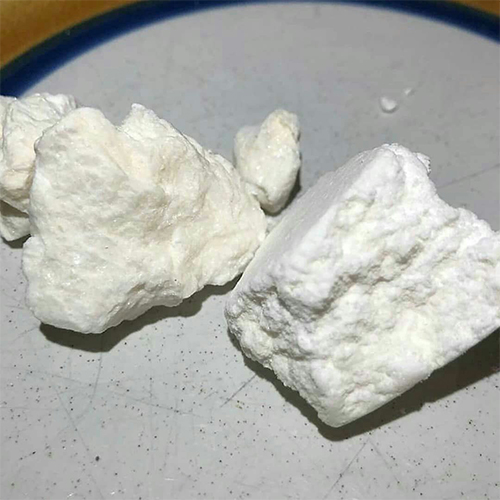



Description
# Bolivian Cocaine: Uses, Dosage, and Side Effects
Bolivian cocaine, derived from the coca leaf, is a potent stimulant
that has gained notoriety in the global drug trade. While traditionally
used in indigenous cultures for its stimulating effects and medicinal
properties, its illicit use has raised significant health and social
concerns.
## Uses
In traditional settings, coca leaves are chewed or brewed into tea to
alleviate fatigue, hunger, and altitude sickness. However, when
processed into cocaine, it becomes a powerful psychoactive substance.
Recreationally, cocaine is used for its euphoric effects, increased
energy, and heightened alertness. Despite its historical context, the
contemporary use of cocaine is largely associated with illegal
recreational consumption.
CLICK HERE FOR MORE DRUGS FOR SALE
## Dosage
Cocaine is typically administered in small doses. Common recreational
dosages range from **20 mg to 100 mg** per use, depending on the
desired effect and individual tolerance. It can be snorted, injected, or
ingested, with the method of consumption influencing the intensity and
duration of its effects.
## Side Effects
The use of cocaine can lead to a range of side effects, both short-term and long-term. Short-term effects may include:
– Euphoria
– Increased energy and alertness
– Decreased appetite
– Increased heart rate and blood pressure
However, these effects come with significant risks. Side effects can
also include anxiety, paranoia, and irritability. Long-term use can lead
to severe health issues, including:
– Cardiovascular problems (e.g., heart attack, stroke)
– Respiratory issues (especially with smoking)
– Dependency and addiction
– Mental health disorders
Overall, while Bolivian cocaine may have traditional uses, its
recreational consumption carries substantial risks that can have
devastating personal and societal impacts.






Reviews
There are no reviews yet.