
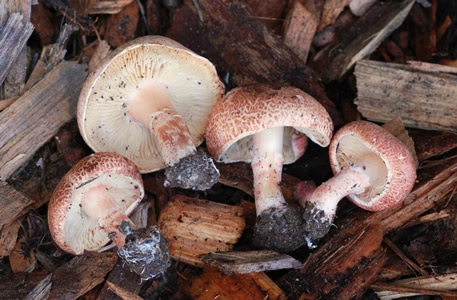


Description
What is Amatoxin?
Amatoxin
toxicity is caused by the ingestion of mushrooms containing these
cyclopepeptide toxins, especially Amanita phalloides, commonly known as
the death cap. Amatoxins are also found in several other Amanita species
(phalloides, bisporigera, hygroscopia, ocreata, suballiacea,
tenuifolia, verna, and virosa), as well as in some species of the genera
Galerina (autumnalis, marginata, and venenata) and Lepiota
(brunneoincarnata, chlorophyllum, helveola, and josserandii).
Amatoxin
is a small, complex, cyclic octapeptide with a highly stable molecular
configuration, making them resistant to enzymatic action. The
water-soluble amatoxin molecule is not broken down by heat, acid bath,
or digestive enzymes, and is readily absorbed from the digestive tract,
within 90-120 minutes post ingestion.
The average time for symptoms to appear is 8 to 12 hours after ingestion. The sooner the symptoms of amatoxin poisoning appear, the more serious the poisoning will be.
Toxins of the Death Cap: Amanita phalloides
A quick insight into one of the most poisonous mushrooms i.e. Amanita phalloides and its toxicology.
Because the molecules do not break down in the digestive tract and are
persistent even at acidic pH levels, amanitin inhibits RNA polymerase II
when toxins enter the body, leading to protein shortages and,
eventually, cell death. The main organ of toxicity is the liver,
followed by the kidneys.
This group of poisons contains the most
deadly of all mushroom toxins and accounts for the majority of deaths by
mushroom poisoning (perhaps up to 95% globally).
How does Amatoxin kill?
Amanita
phalloides is one of the most poisonous of all known mushrooms. It is
estimated that as little as half a mushroom contains enough toxin to
kill an adult human. The principal toxic constituent is α-amanitin,
which damages the liver and kidneys, causing liver and kidney failure
that can be fatal.
How long does Amatoxin take to kill?
Death
by death cap typically begins with severe vomiting, abdominal cramps,
and diarrhea that comes on about 6-24 hours after ingestion.
Is Amatoxin toxic?
Amatoxins
are powerful toxins. Ingested amounts as low as 0.1 mg/kg are
sufficient to be lethal. A single full-grown specimen of A. phalloides,
weighing 20 g, contains about 5–8 mg of amatoxin and is, therefore,
potentially lethal.
Pathophysiology
The amanitin poison
is heat steady, staying harmful whether eaten crude or cooked. The
instrument of activity of amatoxin is by restraining RNA polymerase,
causing disturbance of record of mRNA. Therefore, hepatocytes can’t
incorporate key protein coding qualities, prompting the breaking down of
nucleoli and neurotically centrilobular hepatic putrefaction. This
prompts the tricky beginning of liver disappointment more than 48 hours.
Late beginning (over six hours after ingestion) of heaving and watery
loose bowels happen because of the second part in a portion of these
mushrooms which are phallotoxin. Lepiota species need phallotoxins so
might not have the beginning of spewing and looseness of the bowels
until following 12 hours post-ingestion, or may simply give side effects
of liver disappointment at 24 hours post ingestion.
Amanita
species in section Phalloideae—big, showy and tempting—cause the vast
majority of fatal mushroom poisonings around the world. They can be
roughly broken into two groups: the colored “Death Caps,” like Amanita
phalloides, and the white or mostly white “Destroying Angels,” like
Amanita virosa and A.



Reviews
There are no reviews yet.